
What Are Peptides? A Complete Guide to Understanding Peptides, Their Structure, Functions and Research

By Shaun · Published October 10, 2026 · Updated November 7, 2026 · 11 min read
Listen to this article
Device narration · estimated timeline
Device narration · voice quality depends on your browser and installed voices.
Quick Answer
Peptides are short chains of amino acids connected by chemical bonds called peptide bonds. They occur naturally in living organisms and take part in hormone signalling, cellular communication, immune responses and metabolic regulation. Scientists study natural and synthetic peptides to understand biological systems, but laboratory activity is not the same as an approved medicine.
Key Takeaways
- Peptides are short chains of amino acids joined by peptide bonds; their sequence determines their properties.
- Peptides are commonly described as roughly 2–50 amino acids long, while proteins are generally longer and more structurally complex.
- Natural peptides such as insulin, oxytocin and glucagon act as hormones and signalling molecules.
- Synthetic peptides are made in laboratories, often by solid-phase peptide synthesis, and need analytical testing to confirm identity and purity.
- In Canada, a "research use only" label does not by itself exempt a product from the Food and Drugs Act; Health Canada regulates products by composition, intended purpose and presentation.
Introduction: What Are Peptides?
Peptides are naturally occurring biological molecules that play important roles in the structure, communication and functioning of living organisms. Found throughout the human body, plants, animals and microorganisms, peptides are involved in numerous biological processes, including cellular communication, hormone signalling, immune responses and tissue regulation.
But what exactly are peptides, and why have they become such an important subject in modern scientific research?
In simple terms, peptides are short chains of amino acids connected by chemical bonds called peptide bonds. Amino acids are the fundamental building blocks used to construct peptides and proteins. The specific sequence, length and arrangement of amino acids determine the chemical properties and biological activity of a peptide.
Scientists study peptides to better understand biological systems, investigate molecular interactions and explore potential applications in biotechnology, pharmaceutical development and medical science.
In Canada and internationally, peptide research continues to attract attention across universities, laboratories and biotechnology industries. Understanding the fundamentals of peptide chemistry provides a useful starting point for exploring this expanding area of scientific investigation.
1. What Are Peptides Made Of?
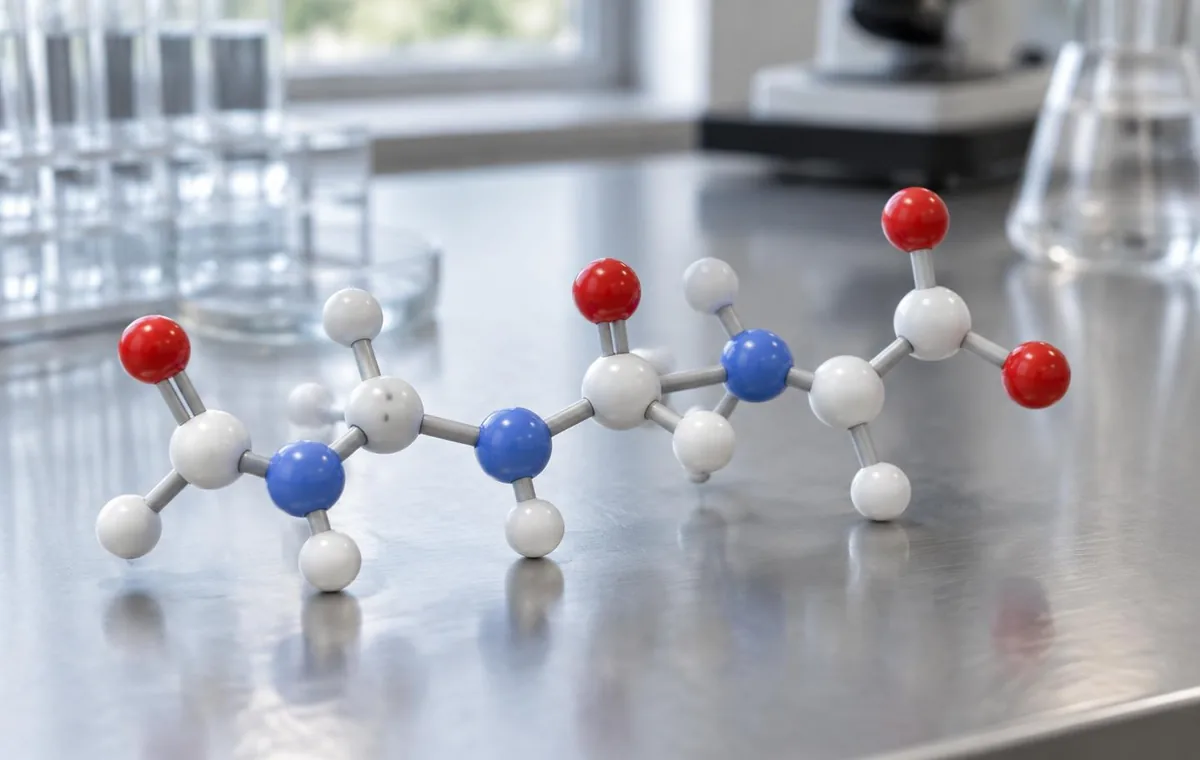
Peptides are made from amino acids, which are organic compounds containing specific chemical groups that allow them to connect and form larger molecular structures.
There are 20 standard amino acids commonly used by human cells to build proteins. These amino acids can combine in different sequences to create an enormous variety of peptide structures.
Each amino acid contains three important components:
- Amino group: contains nitrogen and hydrogen atoms.
- Carboxyl group: contains carbon, oxygen and hydrogen atoms.
- Side chain (R-group): gives each amino acid its distinctive chemical properties.
When two amino acids connect, a chemical reaction forms a peptide bond. As additional amino acids attach, the molecule develops into a longer peptide chain.
The order of these amino acids is extremely important. Even a small change in the sequence can influence a peptide's shape, stability, chemical characteristics and interactions with other biological molecules. This is one reason scientists pay close attention to amino acid sequencing when studying peptide structures.
2. How Are Peptides Formed?
Peptides are formed through a chemical process known as a condensation reaction, sometimes called dehydration synthesis.
During this reaction, the carboxyl group of one amino acid reacts with the amino group of another. A molecule of water is released, and a covalent chemical bond called a peptide bond forms between the two amino acids. Repeated reactions create increasingly longer chains.
In living cells, specialised biological machinery called ribosomes helps assemble amino acids into polypeptide chains using genetic instructions carried by messenger RNA (mRNA).
Scientists can also synthesise peptides in laboratory environments using established chemical techniques, including solid-phase peptide synthesis (SPPS). Laboratory peptide synthesis allows researchers to investigate specific amino acid sequences and study how molecular structures influence biological interactions.
Understanding how peptides form helps researchers investigate:
- Molecular structure and chemical composition.
- Amino acid sequencing.
- Protein synthesis and biological signalling.
- Molecular stability and degradation.
- Interactions between peptides and biological receptors.
These areas form an important foundation for modern peptide chemistry and molecular biology.
For a closer look at naming conventions and folding, read Peptides vs. Proteins: What’s the Difference?.
3. What Is the Difference Between Peptides and Proteins?
Peptides and proteins are closely related because both are made from amino acids connected through peptide bonds. However, they are not necessarily identical in size, structural complexity or biological function.
The main distinction is generally their chain length and structural organisation. A peptide usually contains a relatively short sequence of amino acids, while proteins are typically larger, more complex structures made from one or more polypeptide chains. The distinction is useful, although scientific terminology can vary depending on the context.
| Feature | Peptides | Proteins |
|---|---|---|
| Basic structure | Short amino acid chains | One or more polypeptide chains |
| Typical length | Often 2–50 amino acids | Generally longer chains |
| Structure | May have simple or complex structures | Often highly organised 3D structures |
| Biological role | Signalling and regulation, among others | Structural, enzymatic, transport and regulatory functions |
| Examples | Oxytocin, small signalling peptides | Collagen, haemoglobin, enzymes |
Peptides are not simply smaller or less important versions of proteins. Many peptides perform highly specialised biological functions that are essential to normal cellular activity. For example, insulin is a peptide-based hormone that plays a central role in regulating blood glucose levels.
Understanding this distinction helps explain why peptide research is a separate and important field within biochemistry.
4. What Do Peptides Do in the Human Body?
Peptides participate in numerous biological processes. Naturally occurring peptides can function as chemical messengers, hormones, signalling molecules and regulators of cellular activity. Their specific functions depend on their amino acid sequences and how they interact with biological targets.
Hormone signalling. Certain peptides function as hormones, carrying chemical messages between cells and organs. Insulin is a peptide hormone produced by pancreatic beta cells that helps regulate blood glucose. Other peptide hormones are involved in appetite regulation, metabolism, growth and reproductive processes.
Cellular communication. Some peptides bind to specific receptors on cell surfaces, initiating biological responses inside the target cells. This receptor interaction helps scientists understand how biological signals are transmitted.
Immune system activity. Certain naturally occurring peptides, including antimicrobial peptides, participate in the body's defence mechanisms. They can interact with microorganisms and contribute to the innate immune response.
Tissue regulation and repair. Some naturally occurring peptides are associated with cellular processes involved in tissue maintenance and repair. However, observing a biological mechanism in laboratory research does not automatically establish that a synthetic peptide can safely or effectively produce the same result in humans.
Metabolism and appetite regulation. Several peptide hormones participate in the regulation of appetite, digestion and energy balance. For instance, glucagon-like peptide-1 (GLP-1) is involved in glucose-dependent insulin secretion and other metabolic signalling pathways, which have become important areas of pharmaceutical research.
5. What Are the Different Types of Peptides?
Explore the next step from molecular structure to biological response in How Do Peptides Work at a Scientific Level?, covering receptor binding, signalling and breakdown.
Peptides can be classified according to their structure, biological function, origin and chemical characteristics. These categories help researchers distinguish between naturally occurring molecules, laboratory-produced compounds and peptide-based medicines.
Natural peptides are produced by living organisms, including humans, animals, plants and microorganisms. Examples include:
- Insulin, which regulates blood glucose.
- Oxytocin, which participates in reproductive and social physiological processes.
- Glucagon, which helps regulate blood glucose.
- Certain antimicrobial peptides involved in biological defence.
Synthetic peptides are produced in laboratory environments through chemical synthesis. They are designed to contain specific amino acid sequences and are used in:
- Molecular biology.
- Biochemical research.
- Receptor interaction studies.
- Protein structure research.
- Drug discovery and pharmaceutical development.
The quality, purity, identity and stability of a synthetic peptide must be established through appropriate analytical testing.
Peptide hormones are signalling molecules, such as insulin, oxytocin and glucagon, that interact with specific receptors or target tissues. Studying them provides insight into endocrine signalling, metabolism and cellular communication.
Antimicrobial peptides (AMPs) contribute to the defence mechanisms of humans, animals, plants and microorganisms. Researchers investigate their structures and interactions with microbial membranes, a field that is particularly relevant to antimicrobial resistance.
Bioactive peptides are sequences that can produce measurable biological effects. They may originate from larger proteins through enzymatic breakdown or be produced through synthesis. It is important to distinguish between a biological effect observed in an experimental setting and a clinically established therapeutic benefit.
6. How Does Peptide Research Work?

Peptide research investigates the chemical structures, properties, interactions and biological behaviour of peptide molecules. Common areas include:
- Peptide synthesis: how specific amino acid sequences can be assembled using chemical synthesis techniques.
- Analytical characterisation: methods such as high-performance liquid chromatography (HPLC) and mass spectrometry (MS) analyse molecular composition, identity and purity.
- Structural analysis: how amino acid sequences influence peptide conformation and molecular stability.
- Receptor interaction studies: how peptides interact with specific biological receptors and signalling pathways.
- Stability research: how temperature, pH, moisture, enzymes and other conditions influence peptide stability.
- Preclinical research: laboratory and animal studies that investigate biological activity and potential safety concerns before any consideration of human clinical trials.
A peptide showing activity in a laboratory experiment does not automatically qualify as an approved medicine. Further research, safety evaluation and appropriate regulatory assessment are necessary.
7. Why Are Peptides Important in Modern Scientific Research?
Pharmaceutical research and drug development. Peptide-based medicines have established roles in modern medicine; insulin has been used in diabetes management for more than a century. Other approved peptide-based medicines interact with metabolic, endocrine and other physiological pathways.
Biotechnology. Defined amino acid sequences make peptides useful tools for investigating biological mechanisms and developing specialised molecular technologies.
Molecular biology. Peptides help scientists investigate protein interactions, cellular signalling and biochemical processes.
Diagnostic research. Certain peptides are investigated as potential biomarkers or components of diagnostic technologies.
Materials science. Self-assembling peptide structures are being explored for biomaterials, nanotechnology and tissue engineering research.
8. What Is the Role of Synthetic Peptides in Laboratory Research?
Synthetic peptides allow scientists to investigate specific molecular structures without relying exclusively on naturally extracted biological materials. One widely used approach is solid-phase peptide synthesis (SPPS): amino acids are added sequentially to a growing chain attached to a solid support, then the peptide is cleaved from the support and undergoes purification and analytical characterisation.
Researchers may investigate several important properties:
- Identity: whether the molecule matches the intended amino acid sequence.
- Purity: the proportion of the desired peptide compared with other detectable components.
- Molecular weight: whether the measured molecular mass matches the expected structure.
- Stability: how the peptide behaves under different environmental conditions.
- Solubility: how the molecule interacts with different solvents and experimental conditions.
Differences in synthesis, handling, storage and purification can influence experimental results. Reliable findings need appropriately characterised materials, documented procedures and reproducible experimental conditions.
9. What Is the Difference Between Research Peptides and Approved Peptide Medicines?
Although research peptides and approved peptide medicines may involve similar molecular structures, they are not interchangeable categories. Research peptides are compounds investigated in laboratory or scientific settings; approved peptide medicines are therapeutic products that have undergone the required regulatory assessment for specific medical purposes.
In Canada, Health Canada regulates drugs under the Food and Drugs Act and the Food and Drug Regulations. Authorized drugs carry a Drug Identification Number (DIN) and are listed in the Drug Product Database, such as certain insulin products and GLP-1 receptor agonist medicines for specific indications. By contrast, many peptide products promoted online have not been assessed by Health Canada for safety, quality or effectiveness.
A label stating "research use only" or "not for human consumption" does not automatically exempt a product from Canada's Food and Drugs Act. Its classification depends on factors including its ingredients, intended purpose, presentation and claims.
10. Are Peptides Legal in Canada?
Peptide regulation in Canada depends on the specific product, its intended purpose and how it is manufactured, supplied, imported or promoted. Some peptide-based medicines are approved and legally available through appropriate healthcare channels; other peptide products may be unapproved therapeutic goods and subject to significant restrictions.
Under Canadian law, a peptide product sold or advertised for a therapeutic purpose generally needs Health Canada market authorization and a DIN, unless a specific exemption or access pathway applies. Describing a product as being for research purposes does not, by itself, remove regulatory obligations.
Health Canada has also warned about the risks of unauthorized health products, including concerns about product quality, contamination, incorrect labelling and inadequate safety information. Before purchasing, importing, supplying or advertising a peptide product, establish its regulatory status and the legal requirements relevant to the proposed activity. Official resources from Health Canada and the Canadian Centre for Ethics in Sport are listed in the references below.
11. What Should Researchers Consider When Evaluating Peptide Quality?

Even when two products are labelled with the same peptide name, their analytical characteristics and manufacturing quality may differ.
Purity and analytical testing. HPLC is commonly used to separate and analyse peptide components, while mass spectrometry can help verify molecular mass and support identity assessment. Neither technique alone establishes every aspect of product quality.
Sequence verification. A peptide's amino acid sequence determines its primary structure; researchers should consider whether the reported sequence matches the intended compound.
Manufacturing and documentation. Relevant information may include:
- Peptide sequence and molecular formula.
- Analytical test results.
- Batch identification.
- Purity information.
- Storage and stability information.
- Manufacturing and quality-control documentation.
Storage and stability. Temperature, humidity, pH and exposure to certain chemicals may influence stability; handling should follow the compound's documented characteristics and validated requirements.
Regulatory considerations. In Canada, analytical documentation or a certificate of analysis does not establish that a product is approved for therapeutic use, and laboratory testing does not replace the regulatory approvals required for therapeutic goods.
Follow the analytical evidence step by step: how HPLC testing works, what peptide purity does and does not measure, and how to read a Certificate of Analysis.
12. What Does the Future of Peptide Research Look Like?
- Advanced peptide synthesis: improved synthesis and purification methods may support more complex structures and more consistent research materials.
- Computational peptide design: computational tools and artificial intelligence are being investigated for predicting structures and molecular interactions.
- Targeted molecular interactions: how specific sequences interact with biological receptors and other targets.
- Peptide-based biomaterials: self-assembling peptides for biomaterials and tissue engineering research.
- Drug discovery: peptide structures as potential starting points for medicines that interact with specific biological pathways.
Emerging findings should be interpreted carefully. Experimental results, promising laboratory observations and established clinical applications represent different levels of scientific evidence.
Conclusion: Understanding the Science Behind Peptides
Peptides are fundamental biological molecules that contribute to hormone signalling, cellular communication, immune activity and metabolic regulation. Understanding their chemical composition, amino acid sequences, structures and biological interactions provides a foundation for exploring peptide science.
For researchers and science enthusiasts in Canada, understanding both the scientific principles and the regulatory environment surrounding peptide products is essential. Continue exploring peptide science through the HelixForge Research research library.
Frequently asked questions
What are peptides in simple terms?
Peptides are short chains of amino acids connected by chemical bonds called peptide bonds. They occur naturally in living organisms and participate in biological processes such as hormone signalling, cellular communication and metabolic regulation.
Are peptides naturally found in the human body?
Yes. The human body naturally produces numerous peptides that help regulate physiological processes. Examples include insulin, oxytocin and glucagon.
What are peptides made of?
Peptides are made of amino acids linked together through peptide bonds. The specific sequence and arrangement of amino acids determine the peptide's molecular characteristics.
What is the difference between peptides and amino acids?
Amino acids are individual molecular building blocks, while peptides are formed when two or more amino acids connect through peptide bonds to create a chain.
What is the difference between peptides and proteins?
Both are made of amino acids. Peptides are generally shorter chains, while proteins are usually larger and more structurally complex molecules consisting of one or more polypeptide chains.
How many amino acids are in a peptide?
Peptides are commonly described as chains of approximately 2–50 amino acid residues, although classification conventions vary. Longer chains are often described as polypeptides or proteins depending on structure and context.
What are synthetic peptides?
Synthetic peptides are laboratory-produced molecules created by joining amino acids in a specific sequence. They are used in investigations of molecular structure, biochemical interactions and biological processes.
Why do scientists study peptides?
To understand cellular communication, hormone signalling, molecular interactions, protein structures and biochemical mechanisms. Peptides are also investigated in biotechnology and pharmaceutical development.
Are all peptides medicines?
No. Many peptides are naturally occurring biological molecules or research compounds rather than medicines. Only products that meet the applicable regulatory requirements can be marketed as approved therapeutic medicines.
Are research peptides approved for human use in Canada?
Not automatically. A research-use designation does not establish approval for human use. The TGA regulates peptide products according to their composition, intended purpose and presentation, and products classified as therapeutic goods must meet applicable regulatory requirements.
How are peptides tested in laboratories?
Researchers may use high-performance liquid chromatography, mass spectrometry and other analytical methods to investigate peptide identity, purity, molecular mass and stability.
What is peptide synthesis?
Peptide synthesis is the process of joining amino acids in a predetermined sequence to create a peptide molecule. Solid-phase peptide synthesis is one commonly used laboratory technique.
References
- Peptide, National Human Genome Research Institute (Talking Glossary of Genomic and Genetic Terms)
- Molecular Biology of the Cell: The Shape and Structure of Proteins, NCBI Bookshelf
- Drugs and health products, Health Canada
- Drug Product Database, Health Canada
- Canadian Anti-Doping Program, Canadian Centre for Ethics in Sport
Research Disclaimer. HelixForge Research content is for educational and informational purposes only. It is not medical advice and does not describe the safety or effectiveness of any product for human use. All HelixForge products are for research use only. See our scientific disclaimer and editorial policy.
Related research

Peptide Science
How Do Peptides Work at a Scientific Level?
How peptides interact with receptors, enzymes and cells at the molecular level — from binding and signalling to breakdown — and why structure decides everything.

Analytical Testing
Understanding Peptide Purity: What the Percentage Does, and Does Not, Tell You
Purity figures are useful, but only when you know how they were measured and what they leave out.

Research Documentation
How to Read a Certificate of Analysis (CoA)
A section-by-section walkthrough of the document that records a batch's test results.
Contact the HelixForge Team
Let's Talk Science.
Have a question about an article or a topic you'd like us to explore? Say Hi to the HelixForge Team.
Stay Updated on Research
Receive research insights, scientific updates, and educational resources from HelixForge Research.